
Wall & Floor Tiles
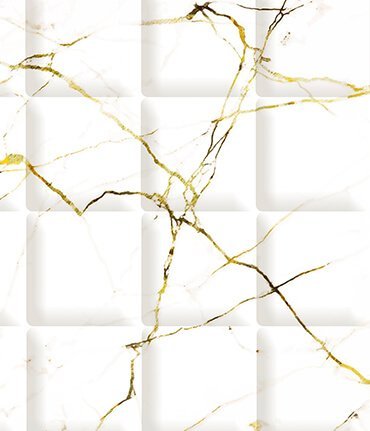
Wall and Floor Tiles
In Shahkot
Jammu Tiles brings a full showroom of branded wall tiles, floor tiles, vitrified
slabs, bathroom sanitaryware and CP fittings within easy reach of Shahkot — with honest
per-square-foot pricing, stock you can actually see before you buy, and delivery straight
to your site.

The tile shop Shahkot homeowners keep coming back to
Building or renovating in Shahkot is a once-in-a-decade decision for most
families. The walls go up, the slab is cast, the plaster dries — and then comes the part everybody
argues about at the dinner table: the tiles.
Choosing wall and floor tiles in Shahkot used to mean either settling for
whatever two or three designs the local hardware shop had piled in a corner, or driving all the
way to a big city market and hoping the rate quoted over the phone matched the rate on the bill.
Jammu Tiles exists to remove both of those problems.
We stock a proper, walk-in range — glazed vitrified tiles, double-charge vitrified, full-body
porcelain, ceramic wall tiles, wooden-plank tiles, anti-skid bathroom and balcony tiles, parking
tiles, elevation tiles, kitchen highlighters, large-format slabs — alongside washbasins, one-piece
commodes, shower panels and gold and chrome CP fittings. Everything is displayed in full room
settings so you can see how a floor actually behaves under light instead of judging it from a
150 mm sample chip.
And because we deal directly with Morbi manufacturers rather than through three layers of
middlemen, the price we quote you per square foot is the price that appears on the invoice.
No “loading charges” invented at the last moment.
Tell us your room sizes. We will send back a tile plan, a box count and a firm rate the same day.
What we stock for Shahkot projects
Six core categories cover almost every job that comes through our doors —
from a single bathroom upgrade in a village house to a full four-marla build on the Nakodar road.
Glazed vitrified floor tiles
The workhorse of Punjabi homes. A hard vitrified body with a printed, glazed surface that
reproduces Italian marble, Statuario, Carrara and travertine convincingly. Very low water
absorption, easy to mop, and available from 600×600 mm right up to 800×1600 mm slabs for
drawing rooms where you want as few grout lines as possible.
Ceramic wall tiles
Lighter-bodied tiles made specifically for vertical surfaces — kitchen backsplashes,
bathroom walls, utility areas and boundary walls. We keep matching base tiles, decorative
highlighters and border strips in the same batch so your wall reads as one designed surface
rather than three unrelated purchases.
Double-charge & full-body vitrified
Where footfall is heavy — shops, showrooms, schools, clinics, wedding palaces and large
verandahs — a double-charge tile carries its pattern several millimetres deep, so abrasion
never exposes a different colour underneath. Full-body porcelain takes that further and is
coloured right through.
Anti-skid bathroom & balcony tiles
A matt, textured finish with a genuine wet-grip rating. Essential for bathrooms with
elderly parents at home, for open balconies that take the monsoon, and for the areas around
hand pumps and washing points where water is constant. Available in small formats that make
slope and drainage easy to execute.
Wooden-plank & rustic tiles
Long plank-format tiles that give you the warmth of hardwood flooring with none of the
termite risk, polishing cost or humidity movement that real wood suffers in Punjab. Popular
for bedrooms, pooja rooms and first-floor living areas. Rustic finishes work beautifully on
feature walls and staircase risers.
Parking, elevation & outdoor tiles
Heavy-duty parking tiles rated for vehicle loads, plus elevation and cladding tiles for the
front face of the house. These take direct sun, dust and rain, so we only stock designs with
proven colour-fastness and a surface that still grips when a scooter’s tyres are wet.
Room-by-room: what actually works in a Shahkot home
Tiles are not interchangeable. A finish that looks stunning in a drawing room
becomes a hazard in a bathroom. Here is the guidance we give every customer who walks in.
Drawing room
Go large. An 800×1600 mm or 600×1200 mm glossy marble-look slab gives you a nearly seamless
floor, reflects light and makes even a modest room read as generous. Pair with a light grout so
the joints disappear. If children are constantly running through, choose a satin finish instead
of high gloss — it hides scuff marks and footprints far better.
Kitchen
Floor: matt or satin vitrified, because oil on a glossy kitchen floor is genuinely dangerous.
Wall: glazed ceramic above the counter in a wipe-clean finish, ideally in a light tone so
masala splashes show up and get cleaned. Keep a highlighter band behind the stove — it takes
the worst of the heat and staining and is cheap to replace later.
Bathroom
Anti-skid on the floor, no exceptions. On the walls, run a full-height tile so water never
reaches plaster. A vertical highlighter strip behind the washbasin or in the shower niche adds
the decorative element without the busy look of patterned tiles everywhere. Slope the floor
towards the trap before tiling, not after.
Bedroom
Wooden-plank tiles are the most requested choice — warm underfoot in winter, quiet, and they
suit both traditional wooden furniture and modern wardrobes. If you prefer stone, a soft beige
or ivory marble-look in matt keeps the room calm and does not fight with curtains and bedding.
Courtyard & verandah
Outdoor areas need a tile that survives direct Punjab sun, dust storms and standing monsoon
water. Choose rustic or full-body porcelain with a textured face. Avoid dark colours in open
courtyards — they get uncomfortably hot by midday and show dust within hours.
Staircase & front elevation
Staircases take the most concentrated wear in the house. Use a hard-wearing vitrified tread
with an anti-skid nosing strip. On the elevation, cladding tiles in stone or slate texture give
the façade weight and character, and they cost a fraction of natural stone with almost no
maintenance.
Not sure which finish suits your room? Send us a photo and the floor plan — we will mark up a suggestion.
Sizes, finishes and where each one belongs
Most confusion at the counter comes from size. This quick reference is what our
staff use, and it is worth a photograph before you start planning.
| Size (mm) | Type | Best used for | Typical finish |
|---|---|---|---|
| 300 x 300 | Ceramic / anti-skid | Bathrooms, washing areas, small balconies | Matt, textured |
| 300 x 450 | Ceramic wall | Bathroom and kitchen walls | Glossy, satin |
| 300 x 600 | Ceramic wall / GVT | Tall bathroom walls, utility rooms | Glossy, matt |
| 600 x 600 | Glazed vitrified | Bedrooms, halls, shops, offices | Glossy, matt, carving |
| 600 x 1200 | Glazed vitrified | Drawing rooms, showrooms, lobbies | High gloss, satin |
| 800 x 1600 | Large-format slab | Statement floors, feature walls, counters | Book-match marble |
| 200 x 1200 | Wooden plank | Bedrooms, pooja rooms, first floors | Wood-grain matt |
| 400 x 400 | Parking / heavy duty | Driveways, gate areas, ramps | Rough anti-skid |
How to read a finish name
Glossy reflects light and deepens colour, but shows every water spot and footprint —
ideal for drawing rooms, poor for kitchens. Matt absorbs light, hides dust and is far
safer underfoot. Satin or semi-polished sits between the two and is the most forgiving
all-round choice for a family home. Carving or sugar finish has a fine texture you can
feel, which gives grip while still looking premium. Rustic is deliberately uneven and
belongs outdoors or on feature walls.
One more number worth asking about is the PEI rating, which describes how much surface abrasion a
tile can take. For ordinary bedrooms a PEI 3 is fine. For a kitchen, hall or shop floor, insist on
PEI 4 or above. We will tell you the rating of anything you are considering without being asked —
it is printed on the box, and we would rather you buy the correct tile once than the cheap tile twice.
Why people from Shahkot choose Jammu Tiles
The rate never changed from the first quotation to the final bill.”
That sentence, in one form or another, is the most common thing our customers say. It is not
marketing — it is simply what happens when a tile business decides to price honestly from the
first conversation.
Direct purchase, direct pricing
We buy in container loads from Morbi in Gujarat, the source of the vast majority of Indian
tiles. Fewer hands between the kiln and your site means a lower landed cost, and we pass that on
rather than pocketing it. Trade rates are available for contractors, masons and builders working
across Shahkot, Nakodar, Malsian and the surrounding villages.
You see it before you buy it
Digital catalogues lie. Screens change colour, and a tile that looked ivory on a phone can
arrive distinctly pink. Every design we sell is displayed physically, and we encourage customers
to take a tile out into daylight at the entrance before deciding.
Same-batch guarantee
Tiles are fired in batches, and shade varies slightly between them. We reserve your full
requirement — plus a wastage margin — from a single batch and hold it until your site is ready,
so you never end up with a mismatched patch in the middle of a room.
Delivery to your site
Our vehicles run to Shahkot and the surrounding belt regularly. Tiles are loaded and stacked
properly so breakage stays minimal, and we will unload at the point on your site where the mason
actually needs them rather than dumping everything at the gate.
From first enquiry to finished floor
Five steps, in order. Most Shahkot projects
move from enquiry to delivered material inside a week.
Share your measurements
Send room dimensions in feet — length by width for floors, and wall height for bathrooms and
kitchens. Rough numbers are fine at this stage. If you have an architect’s plan, even better.
Get a quantity and budget plan
We convert your measurements into square feet, add the standard cutting wastage, and give you
box counts and a per-square-foot rate for two or three options at different price points. You
will see exactly what the difference between a budget tile and a premium tile costs you overall.
Visit the showroom and confirm
Come and stand on the tiles. Bring a cupboard shutter, a curtain swatch or a paint card if
you have already chosen them. We will lay out a few pieces on the floor so you can judge the
design at full size rather than as a sample.
Batch reservation and delivery
Your material is reserved from one batch and delivered to your Shahkot site on the date your
mason is ready. We include the adhesive, grout and spacer recommendations so nothing stalls on
the day laying starts.
Support after laying
If you run short, we top up from the reserved batch. If a box arrives damaged in transit, we
replace it. And we will walk your mason through anything unfamiliar, particularly with
large-format slabs, which need a different adhesive and a levelling system to lay flat.
Planning your tiling budget
The tile rate is only part of the story. Here is how a realistic Shahkot tiling
budget breaks down, so there are no surprises halfway through the job.
What goes into the cost
The tile itself is quoted per square foot and varies with size, thickness,
finish and whether it is ceramic, glazed vitrified, double-charge or full-body. A bathroom wall
tile and a large-format drawing-room slab can differ by several times over.
Wastage of roughly 5 to 10 percent covers cutting at corners, around pillars
and at door frames. Diagonal layouts and very large tiles need the higher figure. Always order
the wastage — sourcing three extra boxes later from a different batch is the single most common
regret we hear.
Adhesive and grout are not optional extras. Modern vitrified tiles have such
low porosity that traditional cement mortar cannot grip them reliably, which is why tiles pop
loose after two monsoons. A proper tile adhesive plus an epoxy or polymer grout adds to the bill
but effectively decides whether your floor lasts five years or twenty-five.
Where it is worth spending more
Spend on the floors that take traffic — the hall, the kitchen, the stairs and the courtyard.
Save on bedrooms and guest rooms, which see a fraction of the wear. Spend on bathroom anti-skid,
which is a safety item rather than a decorative one. Save on elaborate highlighters, which date
faster than plain surfaces and are the first thing people want to change later.
A useful rule: if replacing it would mean breaking up a finished floor, buy the better version
now. If it is a decorative strip on a wall, the cheaper option is perfectly sensible.
We will happily build you two versions of the same quotation — one lean, one premium — so you
can see precisely where the money goes and decide for yourself.
Ask for a lean quote and a premium quote side by side. Both free, both same-day.
Keeping tiles looking new in Punjab’s climate
Between summer dust, monsoon humidity and hard groundwater, tiles here face
conditions that European maintenance advice simply does not account for.
Hard water is the main enemy. The white, chalky film that builds up on bathroom
walls and around taps is calcium deposit, not dirt, and ordinary detergent will not shift it. A
mild acidic cleaner used occasionally — never daily — removes it. Rinse thoroughly afterwards so
nothing sits in the grout lines.
Grout ages faster than tile. Cement-based grout absorbs water and stains,
particularly in showers and around kitchen sinks. Epoxy grout costs more to install but stays
clean for years and does not harbour mould. If you already have cement grout, a grout sealer
applied once a year makes a visible difference.
Five habits that add years to a floor
- Sweep before you mop. Dragging grit around with a wet cloth is what actually
scratches a floor. The mop is not the problem; the sand under it is. - Use a pH-neutral cleaner for daily mopping. Strong acids and bleaches
gradually dull glazed surfaces and eat into grout. - Put felt pads under furniture legs. A sofa dragged once across a glossy
tile leaves a mark that no amount of cleaning removes. - Deal with spills on matt tiles promptly. Matt and textured surfaces grip
better, which also means they hold turmeric, oil and tea a little more readily. - Keep a doormat at every external door. The cheapest floor protection there is,
and it stops most of the abrasive dust at the threshold.
Follow these and a good vitrified floor will look essentially unchanged a decade from now —
which is the entire point of buying a quality tile in the first place.
Serving Shahkot and the surrounding belt
Customers travel to us from across the Jalandhar and
Kapurthala region, and our delivery vehicles cover the same area. If your village is not on this list,
ask anyway — we almost certainly reach it.
Nakodar
Malsian
Lohian Khas
Mehatpur
Nurmahal
Phillaur
Sultanpur Lodhi
Goraya
Jalandhar
Kapurthala
Moga road villages
Whether you are building a new house, converting a room into a shop,
upgrading a bathroom for elderly parents or fitting out a clinic, the same service applies:
measure, quote, reserve, deliver.
Questions we are asked every week
Where can I buy wall and floor tiles in Shahkot?
bathroom sanitaryware and CP fittings to customers throughout Shahkot and the surrounding
villages. You can view the full range in person at our showroom, or send your measurements
through the contact page and receive a quotation and delivery schedule without visiting first.
What is the difference between ceramic and vitrified tiles?
softer, more porous body. They are lighter, easier to cut and perfectly suited to walls. Vitrified
tiles include silica and feldspar and are fired much hotter, producing a glass-like body with very
low water absorption and far higher strength. For any floor, choose vitrified. For most walls,
ceramic is the more sensible and economical choice.
How many tiles will I need for my room?
five to ten percent for cutting wastage. Divide that by the coverage printed on the tile box to get
the number of boxes. Send us the dimensions and we will do the calculation for you, including the
skirting, and tell you exactly how many boxes to order.
Can I use the same tile on both the floor and the wall?
not strong enough to walk on. Running one design across both surfaces creates a seamless, expensive-
looking effect that works particularly well in bathrooms. The one caution is weight: large-format
floor tiles on a wall need correct adhesive and good substrate preparation.
Which tiles are safest for a bathroom?
300×300 mm, which makes it easier to build the floor slope towards the drain. Avoid glossy tiles on
bathroom floors entirely. On the walls, glossy is fine and in fact easier to keep clean.
Do you deliver to villages around Shahkot?
Phillaur, Jalandhar, Kapurthala and the surrounding villages, with delivery timed to when your mason
is actually ready to start. Tell us your location through the contact page and we will confirm the
schedule and any delivery charge upfront.
What size tile suits a small room?
read as a single continuous surface rather than a grid, which visually expands it. A 600×600 mm tile
in a light shade works well in a compact bedroom. The one exception is a small bathroom floor, where
drainage slope matters more than appearance.
Do you offer rates for contractors and builders?
Shahkot area get dedicated trade pricing, priority batch reservation and flexible delivery
scheduling across multiple sites. Get in touch through the contact page and mention the volume you
typically handle.
How long does the whole process take?
visit. Reserved stock can be dispatched within a day or two, and special orders not held in stock
typically take a week to ten days. If your project has a fixed deadline, tell us at the start and we
will work backwards from it.
Start your tile selection today
Send us your room measurements, your budget range, or simply a photo of the space you are working on.
You will get a clear quotation, an honest recommendation and a delivery date — with no obligation to buy
anything at all.
Jammu Tiles — wall and floor tiles in Shahkot,
Nakodar, Malsian, Lohian Khas and across the Jalandhar district.
Feel Free To Contact Our Team
- Call Anytime +123-456-789
- Address Fulham Way, IP1 4FB CA 1412
Info@example.com